
Beds
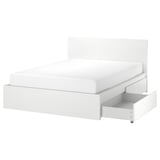

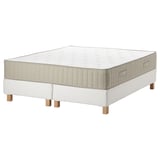
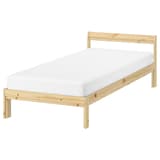




Sort and Filter
Results list


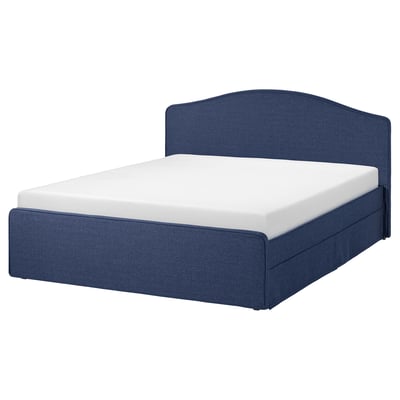
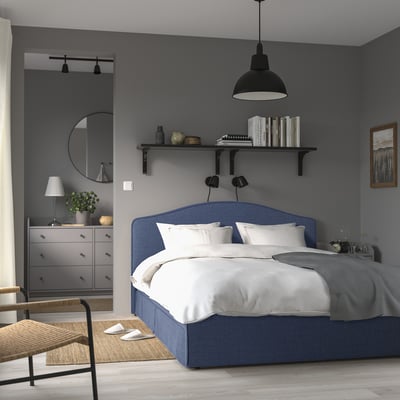


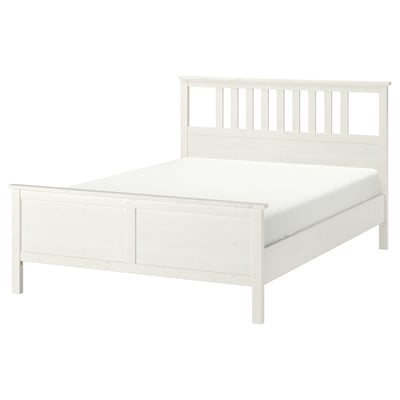
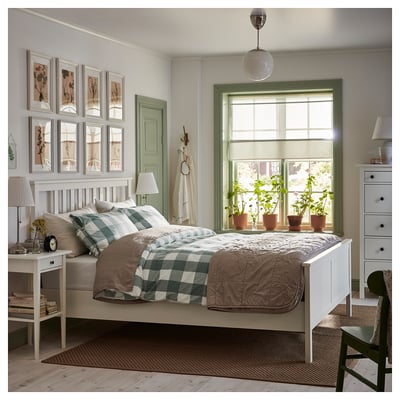

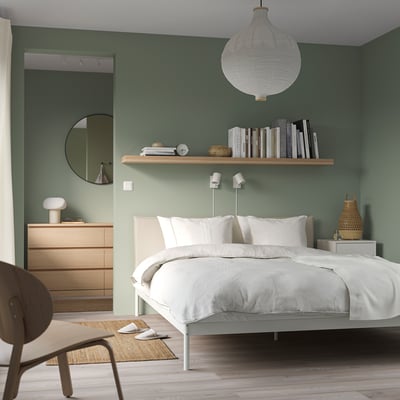


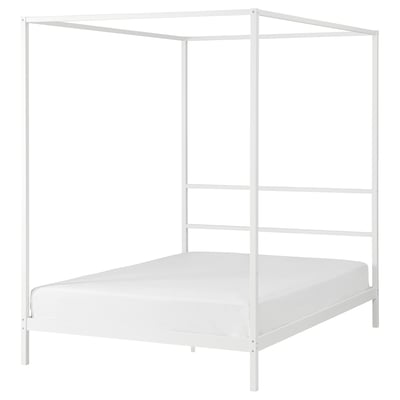
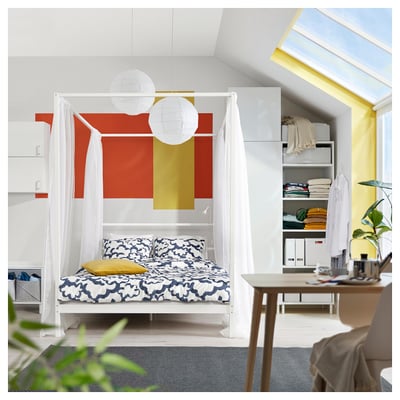

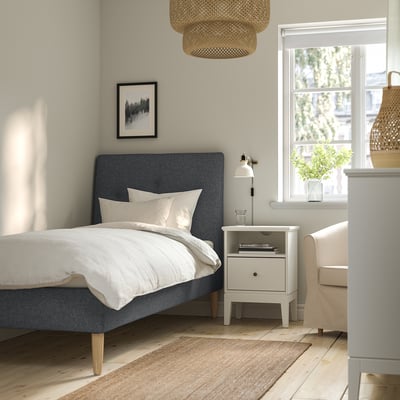
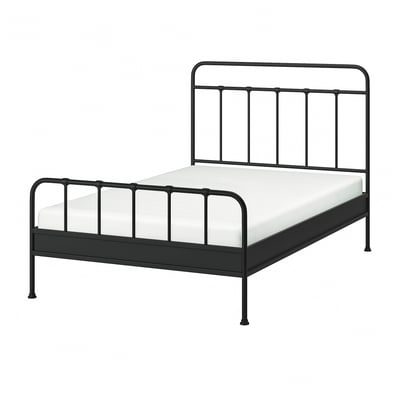
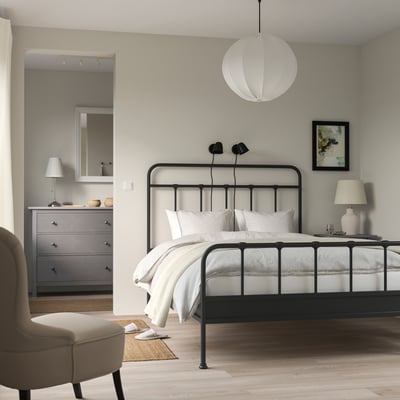


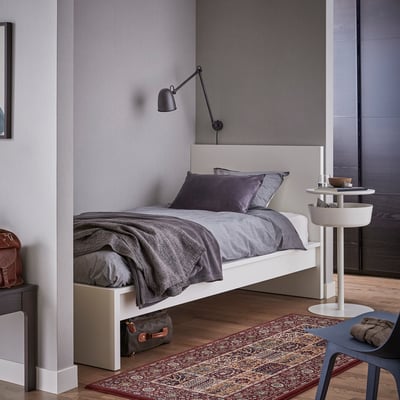
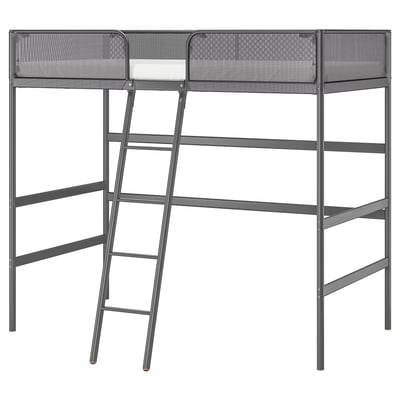
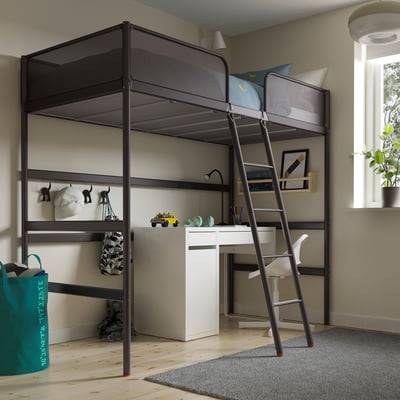

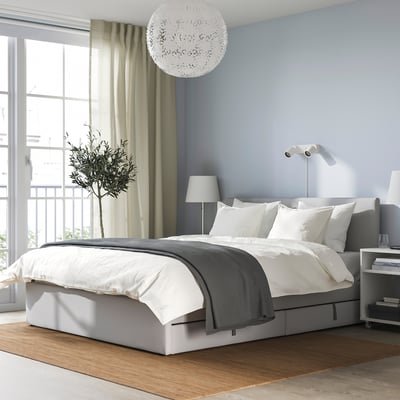


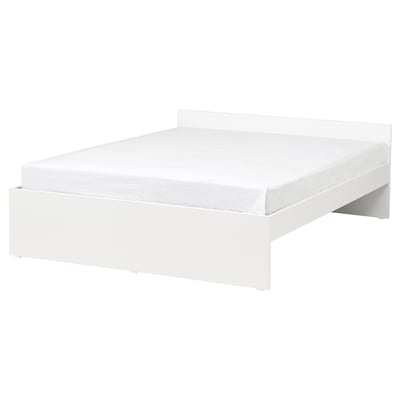
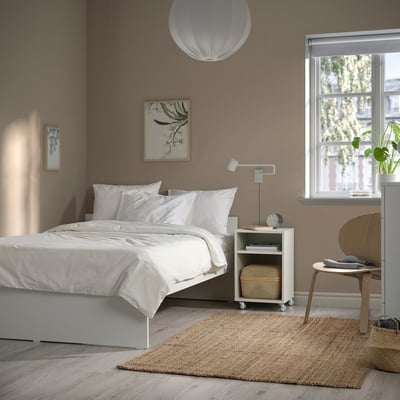

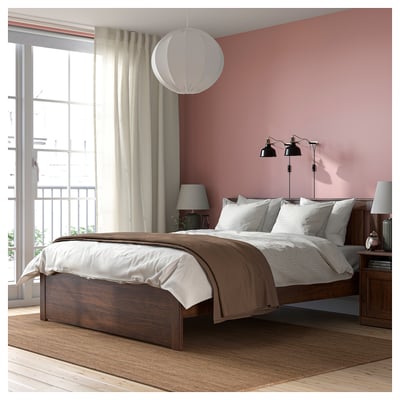
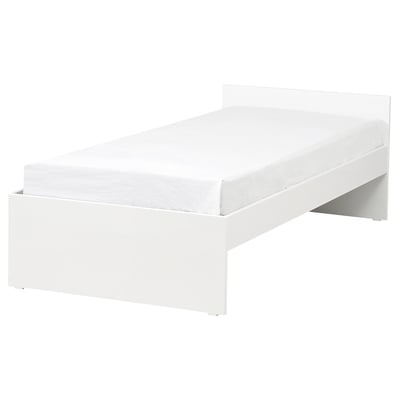
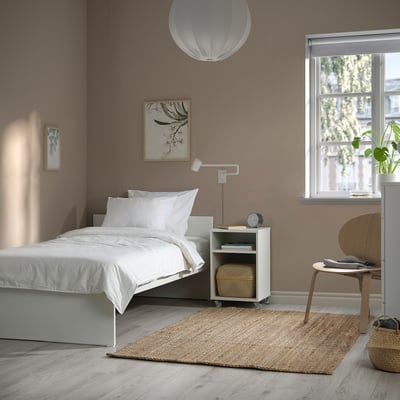
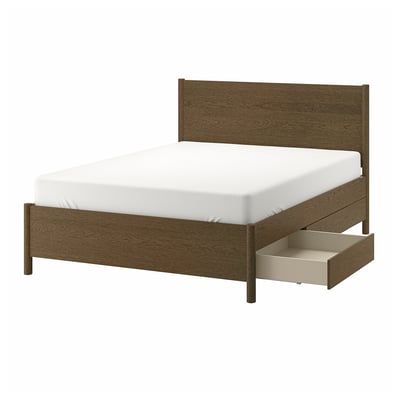


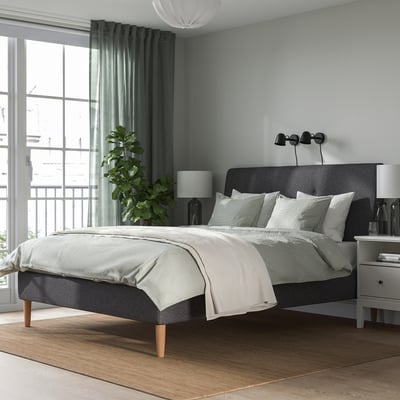
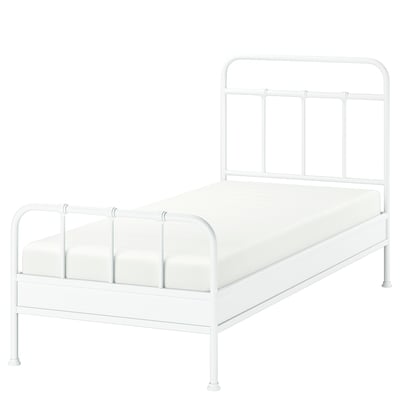
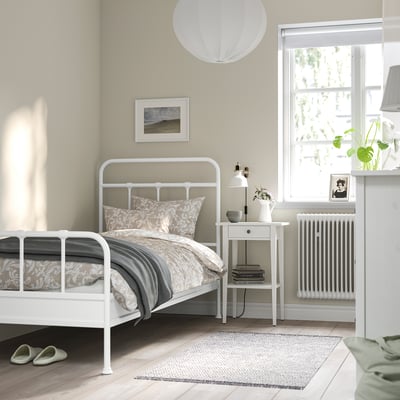
Showing 24 of 185 results
Show more
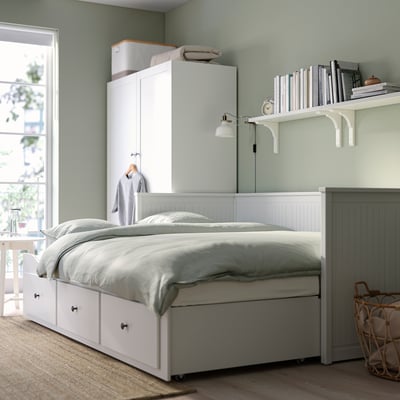




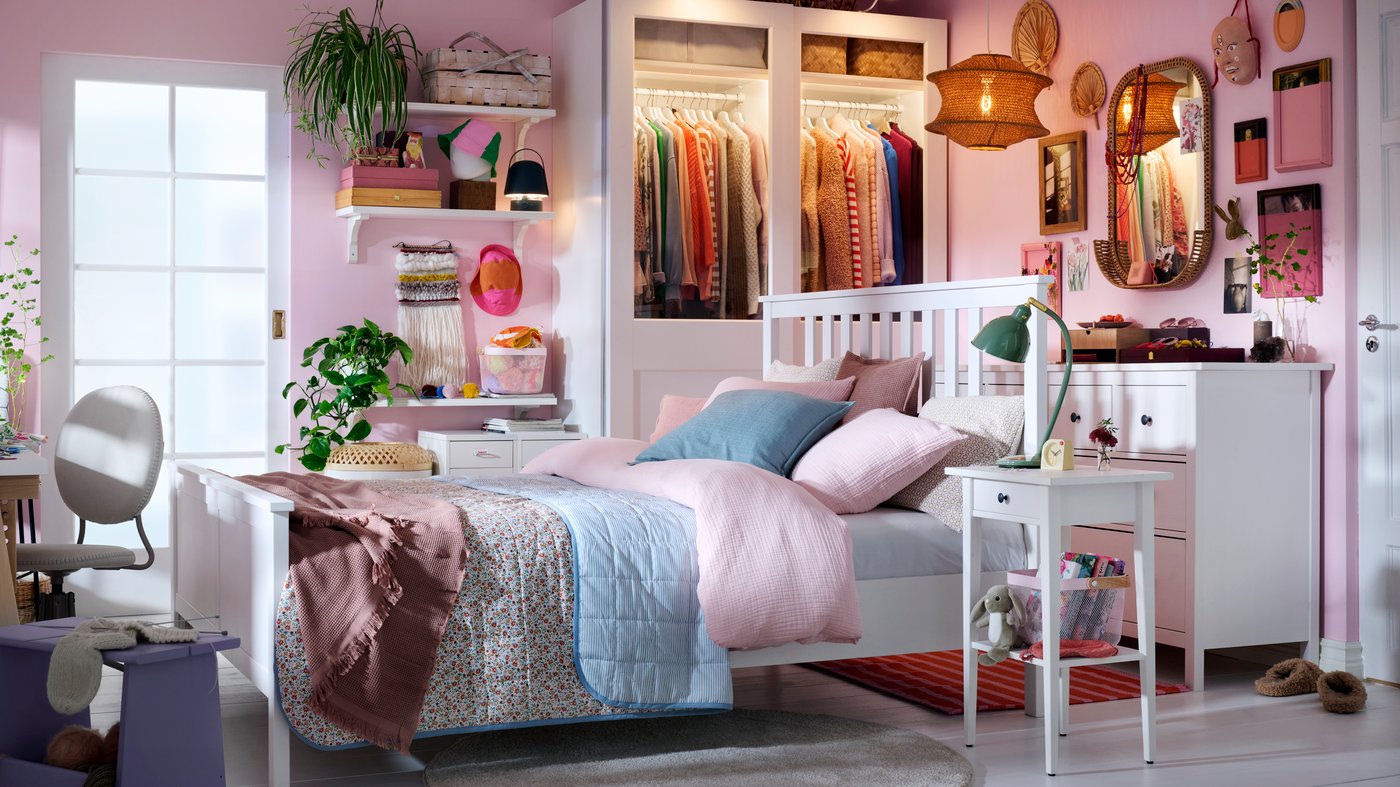
Complete bedroom planner
Plan and design your dream bedroom, from bed to wardrobe to dressing table. Play with the full IKEA catalogue to create the perfect space for you.


Recommended for you
Recently viewed
The most common questions and ideas:
Wooden Beds vs. Upholstered Beds
The bedroom isn’t just a place to sleep — it’s where you recharge at the end of every day. And the biggest decision in that room isn’t the wall color or the curtains… it’s the bed frame.Wooden beds and upholstered beds are found in almost every home, and each has its loyal fans. But the smart choice is the one that fits your lifestyle, not just what looks good in a photo.
1) Wooden Bed Frames
A sturdy structure made from solid wood or engineered wood, with no fabric or padding on the frame.
Advantages:
- Durability that lasts: good-quality wood can last for decades. It doesn’t deform easily, doesn’t lose its shape, and with time it looks “classic,” not “old.”
- Easy to clean: a quick wipe with a damp cloth is all you need — no fabrics that absorb dust, sweat, or spilled coffee.
- Flexible design: you can repaint it, change its finish, or add details. Wood adapts easily to any décor updates.
- Great for kids: handles heavy use, is safer for rough play, and is much easier to clean.
- Perfect for small spaces: Wooden bed frames often come with built‑in under‑bed storage options.
Disadvantages:
- Heavier to move: Hard to reposition alone.
- Less cozy visually: It doesn’t offer the soft, plush aesthetic that upholstery provides.
- Possible creaking: Some wooden structures may make noise if the assembly isn’t tight.
2) Upholstered Bed Frames
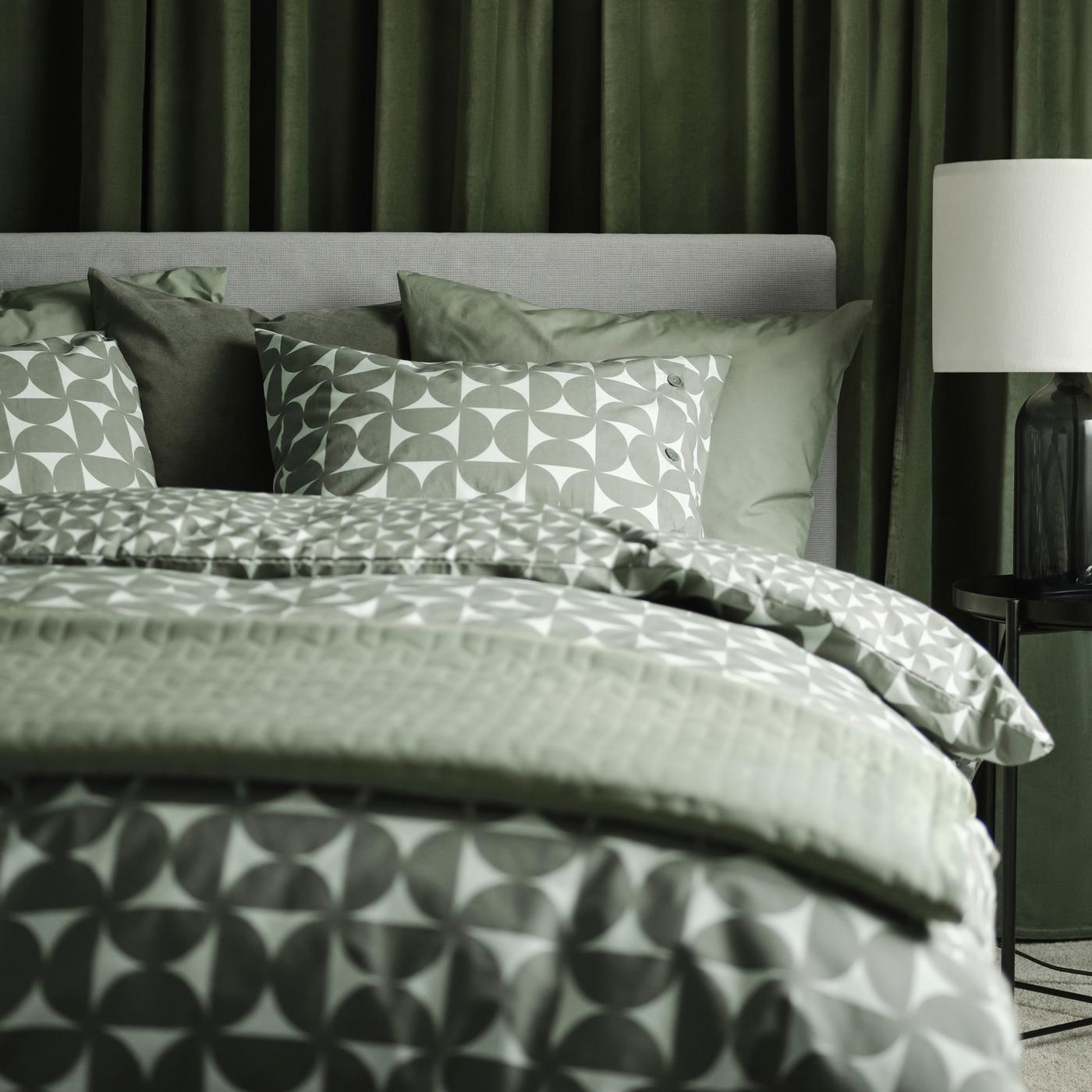
A frame covered in fabric, velvet, or leather‑like materials. Soft to the touch, visually warm, and gives the room a hotel‑suite feel.
Advantages:
- Luxurious appearance: An upholstered bed instantly makes any room look more refined and high‑end.
- Physical comfort: If you read, work, or watch TV in bed, a padded headboard gives natural back support — no need for extra pillows.
- Quieter: No wood creaking sounds; the padding absorbs vibrations and movement.
- Visual warmth: Adds softness and elegance, especially in neutral or dark colors.
Disadvantages:
- Harder to clean: Fabric stains are more difficult to remove, and some materials attract dust or lint.
- Wear and tear: Fabric can show signs of use over the years, especially on corners and edges.
- Heat retention: Thick fabrics may feel warmer in summer.
- Not easy to restyle: Unlike wood, you can’t simply repaint or recolor it if you change your room decor.